

How to Design a High-Volume Burger Kitchen: 12 Lessons from a Real QSR Project
Designing a successful burger restaurant is about far more than selecting the right grill or creating a great recipe. In our experience, the difference between a kitchen that consistently delivers burgers in under six minutes and one that struggles during peak hours often comes down to planning, workflow, and operational thinking.
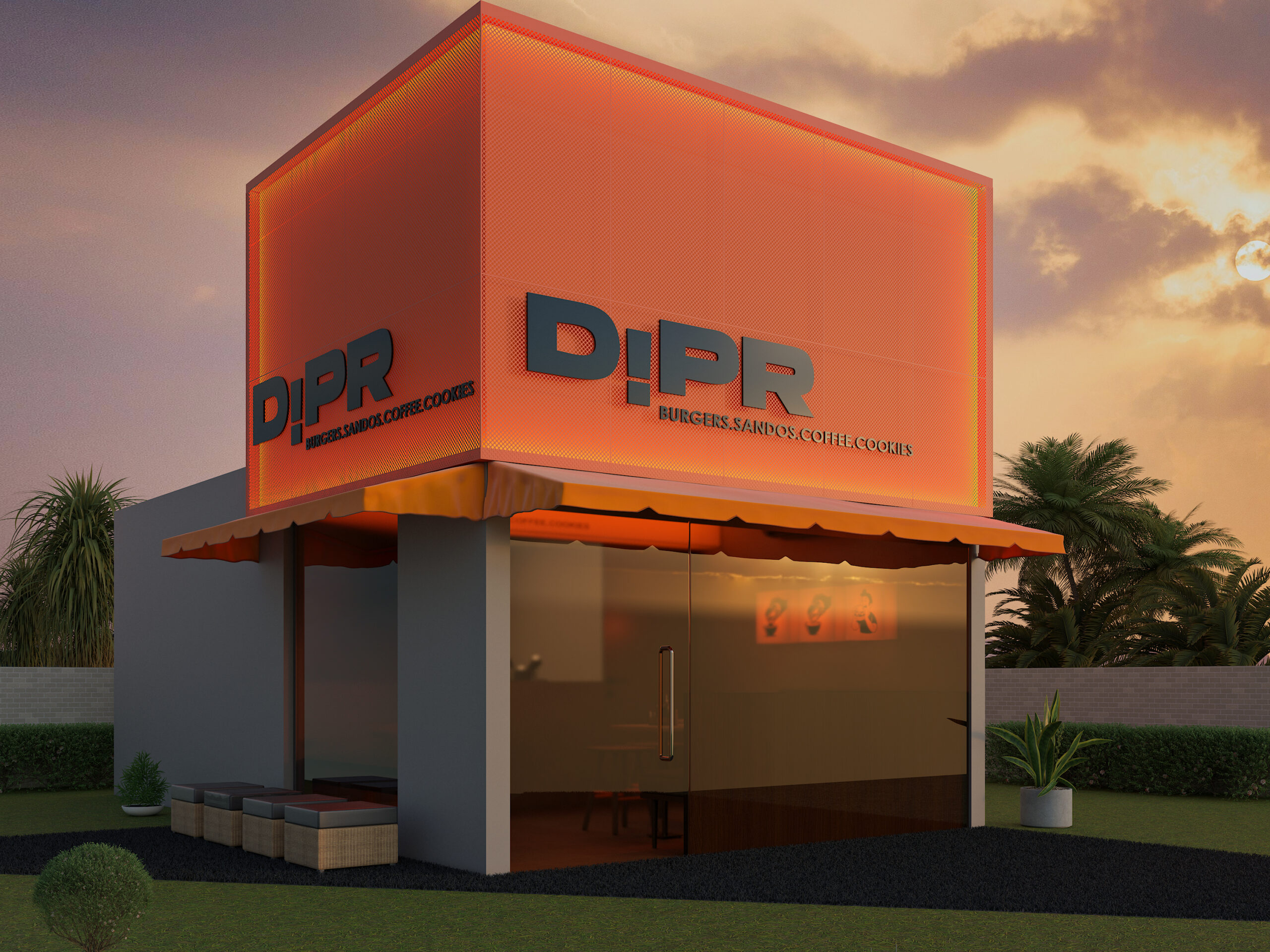
Over the past few months, our team worked on the design and operational planning of a modern burger QSR brand. While client confidentiality prevents us from sharing detailed layouts or technical drawings, the project reinforced several important principles that every restaurant founder should understand before investing in a commercial kitchen
1. Design the Kitchen Around Workflow, Not Equipment
Many first-time restaurant owners begin by making a list of equipment they want to purchase.
Experienced operators begin with a different question:
“How will food move from receiving to preparation, cooking, assembly and finally to the customer?”
Equipment should support the workflow—not define it.
A well-designed kitchen minimizes unnecessary movement, prevents staff from crossing each other’s paths, and creates a logical production sequence that remains efficient even during busy service periods.
2. Your Assembly Line Is the Real Heart of the Kitchen
Customers see the burger.
Operators see the assembly line.
The assembly counter is where speed, consistency and product quality come together. If this station is poorly designed, every order becomes slower regardless of how efficient the cooking equipment may be.
A high-performing burger assembly station should provide quick access to:
- Burger buns
- Proteins
- Cheese
- Fresh vegetables
- Signature sauces
- Packaging
- Seasonings
- Finished sides
Everything should be within comfortable reach without forcing team members to constantly step away from their workstations.
3. Don’t Overspend on Cooking Equipment
One of the biggest misconceptions in restaurant design is that expensive cooking equipment automatically creates a better operation.
In reality, operational efficiency depends far more on:
- Correct equipment sizing
- Production planning
- Workflow
- Staff training
- Holding strategy
Buying the largest grill available rarely solves service bottlenecks.
Selecting equipment that matches your projected customer volume almost always produces better long-term results.
4. Hot Holding Can Improve Consistency
Many modern QSR brands use carefully planned hot holding systems to improve consistency during peak periods.
When implemented correctly, holding equipment helps maintain product quality while reducing ticket times and allowing kitchen staff to focus on assembly rather than constantly reacting to incoming orders.
The objective isn’t to hold food for excessive periods—it’s to create a controlled production rhythm that supports fast service without compromising quality.
5. Refrigeration Should Be Designed Around Production
Commercial refrigeration isn’t simply about storing ingredients.
It should support the way your team actually works.
Frequently used ingredients should be positioned closest to the assembly station, while bulk storage should remain separate to avoid unnecessary movement during service.
Thoughtful refrigeration planning improves efficiency, reduces door openings, and helps maintain food safety standards.
6. Every Extra Step Costs Money
Small inefficiencies compound over thousands of orders.
If a team member walks three additional steps to retrieve cheese, sauces or packaging for every burger, those seconds quickly become hours of lost productivity each month.
One of the primary goals of kitchen planning is reducing unnecessary motion.
Less walking means:
- Faster service
- Lower labour fatigue
- Better consistency
- Higher throughput
7. Plan for Cleaning Before Opening Day
Cleaning is often overlooked during the design stage.
Unfortunately, kitchens that are difficult to clean usually become difficult to maintain.
Good commercial kitchens allow easy access beneath counters, around equipment and behind refrigeration units wherever practical.
Design decisions made before construction often determine long-term hygiene standards.
8. Build for Tomorrow’s Menu
Restaurant menus evolve.
Today’s burger-only concept may introduce:
- Loaded fries
- Chicken burgers
- Wraps
- Desserts
- Breakfast
- Shakes
Your kitchen should have enough flexibility to accommodate future growth without requiring expensive structural changes.
Planning for expansion from day one is significantly cheaper than redesigning the kitchen after launch.
9. Standardisation Beats Complexity
The most successful QSR kitchens aren’t necessarily the largest.
They’re usually the most standardised.
Consistent workstations, repeatable processes and clearly defined responsibilities help reduce training time while improving product consistency across every shift.
Simplicity scales.
Complexity rarely does.
10. Materials Matter More Than They Seem
Commercial kitchens operate under intense conditions involving heat, moisture, cleaning chemicals and continuous use.
Choosing durable, food-grade materials for work surfaces, counters and shelving isn’t simply about appearance—it directly impacts maintenance costs, hygiene and operational lifespan.
Investing in quality materials often reduces replacement costs over the life of the restaurant.
11. Every Square Foot Should Generate Value
Commercial real estate is expensive.
Every square foot occupied by unnecessary circulation space, oversized storage or poorly positioned equipment reduces the revenue potential of the outlet.
Efficient kitchen planning isn’t about making kitchens smaller.
It’s about ensuring every square foot contributes to productivity.
12. Good Kitchen Design Begins Long Before Construction
The most successful restaurant projects spend significant time planning before a single wall is built.
Detailed discussions around:
- Customer volume
- Menu complexity
- Staffing
- Equipment
- Production methods
- Cleaning
- Future expansion
help eliminate expensive changes during construction.
The earlier operational thinking begins, the smoother the project usually becomes.
FAQs
How much should I budget for burger QSR kitchen equipment in India?
Budget depends on equipment sizing matched to projected volume, not premium specs — overspending on oversized cooking equipment is one of the most common mistakes first-time operators make.
What’s the biggest mistake in commercial kitchen layout design?
Designing around equipment lists instead of workflow. The right approach starts with mapping how food moves from receiving to prep to cooking to assembly to the customer.
Should I design a QSR kitchen for just my current menu?
No — build in flexibility for menu expansion (new categories, sides, beverages) from day one. Redesigning after launch costs far more than planning for growth upfront.
What makes a burger assembly line efficient?
Every component — buns, proteins, sauces, packaging — within arm’s reach of the assembly station, so staff never have to step away mid-order.
Final Thoughts
Great burger restaurants are rarely built by accident.
They are designed through hundreds of small decisions that collectively improve efficiency, consistency and customer experience.
At Project X Restaurants, our consulting approach combines operational experience with practical design thinking. Rather than focusing only on drawings or equipment specifications, we work backwards from how the restaurant will actually operate on its busiest day.
Every kitchen should support the people working inside it—not force them to adapt to poor planning.
If you’re planning a new burger restaurant, redesigning an existing kitchen, or expanding your QSR brand, investing in thoughtful operational planning before construction begins can save substantial time, cost and frustration later.
About the Author
Ashwani Basantani is the Founder of Project X Restaurants, a restaurant consulting firm based in Delhi NCR. With over 25 years of experience in hospitality and food service, he has advised restaurants, cafés, cloud kitchens and QSR brands across concept development, kitchen planning, recruitment, operations, menu engineering and business growth.
Also read – Burger restaurant equipment list
Pingback: Burger Restaurant Equipment List: The Complete Guide for Opening a QSR in India (2026) - Project X restaurants