

Burger Restaurant Equipment List: The Complete Guide for Opening a QSR in India (2026)
Selecting the right equipment is one of the biggest investments you’ll make while opening a burger restaurant. Yet it’s also one of the areas where first-time founders make the most expensive mistakes.
Many restaurant owners purchase equipment based on supplier recommendations, online checklists or what they’ve seen in other restaurants. Unfortunately, this often results in oversized kitchens, underutilized equipment, workflow bottlenecks and unnecessary capital expenditure.
At Project X Restaurants, we believe every piece of equipment should have a clear operational purpose. During our recent consulting assignment for a modern burger QSR, we evaluated multiple equipment options to create a kitchen that could deliver speed, consistency and scalability without wasting valuable space or budget.
This guide explains the essential equipment required for a modern burger restaurant and, more importantly, why each item matters.
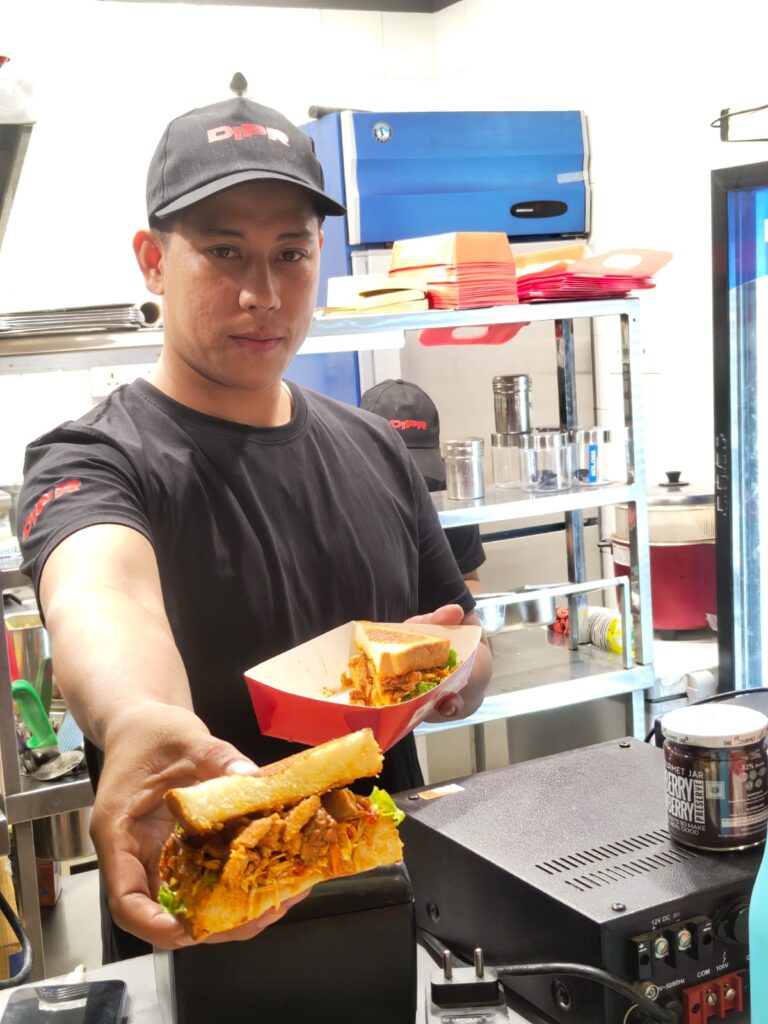
1. Flat Griddle – The Heart of Every Burger Kitchen
For most smash burger and gourmet burger concepts, the flat griddle is the most important cooking equipment in the kitchen.
It is responsible for:
- Cooking burger patties
- Toasting buns
- Grilling vegetables
- Maintaining consistent caramelisation
- Delivering repeatable cooking results
Rather than buying the largest available griddle, select one based on your expected hourly production. Oversizing increases gas consumption and cleaning time, while undersizing creates service bottlenecks during peak periods.
2. Commercial Deep Fryer
Fries are among the highest-selling and highest-margin items in most burger restaurants.
A quality commercial fryer should offer:
- Fast temperature recovery
- Even frying
- Easy oil filtration
- Reliable thermostat control
- Simple daily cleaning
The correct fryer capacity depends on projected order volume, not just seating capacity.
3. Hot Holding Equipment
One of the most overlooked investments in a burger kitchen is proper holding equipment.
When integrated correctly into the production workflow, holding cabinets can:
- Improve consistency
- Reduce ticket times
- Minimise rush-hour pressure
- Improve labour efficiency
- Maintain product quality during peak periods
The objective isn’t to keep food waiting—it is to create a smoother production rhythm while maintaining quality standards.
4. Refrigeration That Supports Production
Commercial refrigeration should be designed around workflow rather than storage alone.
A typical burger restaurant may require:
- Undercounter refrigerators
- Reach-in refrigerators
- Upright freezer
- Ingredient prep refrigerators
Frequently used ingredients such as cheese, sauces and vegetables should remain within easy reach of the assembly station.
Good refrigeration planning reduces unnecessary movement while improving food safety and operational efficiency.
5. Stainless Steel Work Tables
Preparation counters are where mise en place begins.
Every prep station should provide sufficient space for:
- Vegetable preparation
- Sauce preparation
- Patty handling
- Packaging
- Daily production
Food-grade stainless steel workstations are preferred because they are durable, hygienic and easy to maintain in a commercial environment.
6. Assembly Counter
The assembly station often determines the overall speed of service.
A well-designed assembly counter allows team members to access buns, patties, vegetables, sauces, cheese and packaging without unnecessary movement.
Simple improvements in layout can significantly reduce preparation time during busy periods.
Good assembly design focuses on reach, visibility and consistency rather than simply adding more counter space.
7. Exhaust and Ventilation
Cooking equipment performs only as well as the ventilation system supporting it.
An effective commercial exhaust system should:
- Remove heat efficiently
- Control smoke
- Improve staff comfort
- Reduce grease accumulation
- Support kitchen hygiene
Ventilation planning should begin during the design stage rather than after construction.
8. Washing Area
A dedicated washing section is essential for maintaining hygiene and ensuring smooth kitchen operations.
Depending on the scale of the restaurant, this may include:
- Pot wash sink
- Vegetable wash sink
- Hand wash station
- Glass washing area
- Dishwashing equipment
Separating clean and dirty workflows helps improve food safety and operational efficiency.
9. Dry Storage
Efficient storage is about accessibility as much as capacity.
Dry storage should accommodate:
- Packaging materials
- Flour
- Seasonings
- Sauces
- Cleaning supplies
- Disposable items
Well-organised storage reduces inventory losses and speeds up daily operations.
10. Small Equipment That Makes a Big Difference
While founders often focus on large equipment, smaller tools have a significant impact on day-to-day efficiency.
These include:
- Digital weighing scales
- Probe thermometers
- Colour-coded chopping boards
- Chef knives
- GN pans
- Mixing bowls
- Measuring jugs
- Timers
- Heat-resistant spatulas
- Storage containers
Investing in quality smallwares improves consistency and reduces replacement costs.
Equipment You Don’t Always Need on Day One
Many restaurant owners overspend before opening.
Depending on your concept and projected sales, you may be able to postpone purchasing:
- Additional fryers
- Large walk-in refrigeration
- Conveyor toasters
- Expensive automated dispensing systems
- Excessive preparation equipment
Every equipment purchase should be supported by projected production volume and operational requirements—not assumptions.
Typical Equipment Budget for a Burger Restaurant
Although costs vary based on concept, city and equipment specifications, founders can generally expect the following investment ranges:
| Restaurant Format | Estimated Equipment Investment |
|---|---|
| Small takeaway burger outlet | ₹15–25 lakh |
| Mid-sized QSR | ₹25–40 lakh |
| Premium dine-in burger restaurant | ₹40–60 lakh+ |
These figures exclude civil construction, interiors, HVAC, licensing and furniture.
The right investment depends on menu complexity, production volume and long-term growth plans.
Common Equipment Buying Mistakes
Over the years, we’ve observed several recurring mistakes:
- Purchasing equipment before finalising the kitchen layout.
- Buying oversized equipment “for future expansion.”
- Ignoring workflow and staff movement.
- Selecting equipment based only on price.
- Underestimating refrigeration requirements.
- Failing to plan adequate electrical and gas connections.
- Overlooking cleaning and maintenance access.
Avoiding these mistakes can save substantial capital while improving operational performance from day one.
Final Thoughts
A successful burger restaurant isn’t built by collecting expensive equipment.
It is built by selecting the right equipment, placing it in the right location and designing the kitchen around how the team actually works.
Every investment should improve speed, consistency, food safety or profitability.
Whether you’re opening your first takeaway burger outlet or planning a multi-unit QSR brand, careful equipment planning will influence your operations for years to come.
At Project X Restaurants, we help restaurant founders prepare commercial kitchen layouts, equipment specifications, BOQs and operational plans that are practical, scalable and built around real restaurant operations—not generic equipment lists.
About the Author
Ashwani Basantani is the Founder of Project X Restaurants, a restaurant consulting and F&B strategy firm focused on helping founders, operators and investors build, restructure and scale food businesses.
His work spans restaurant concept development, market and location strategy, menu engineering, unit economics, kitchen and operational planning, supply-chain design, central kitchens, restaurant setup, recruitment, restructuring and multi-unit growth.
Through Project X Restaurants, Ashwani has worked across different food and beverage formats, including QSRs, cafés, premium restaurants, delivery businesses and emerging food brands.
His approach combines commercial strategy with on-ground restaurant execution, with a particular focus on capital efficiency, operational systems, throughput, scalability and long-term business fundamentals.
Connect with Ashwani Basantani on LinkedIn:
[www.linkedin.com/in/ashwanibasantani]
Project X Restaurants
Restaurant Consulting | F&B Strategy | Restaurant Setup | Operations | Growth & Scale
Also read – How to design a high volume Burger kitchen

Pingback: How to Design a High-Volume Burger Kitchen: 12 Lessons from a Real QSR Project - Project X restaurants